Introduction
In India, Address verification has often been unclear. Many places don’t have proper house numbers, and people rely on landmarks or local names to describe locations.
This makes it difficult for businesses to confirm where someone actually lives. For banks, delivery companies, insurance, staffing, fintech, government services, and gig platforms, a wrong address can lead to failed deliveries, fraud, or delays.
This is where address verification helps. It allows organisations to check whether a person is genuinely linked to the address they have provided.
Today, this process has moved beyond postal checks. Businesses now use digital methods like GPS location, document verification, liveness detection, and tools like DIGIPIN to verify addresses faster and more accurately.
What Is Address Verification?
Address verification is the process of confirming whether a person actually lives or works at the address they have provided.
Businesses need to confirm that the address exists, it can be reached easily, and the person is genuinely linked to it.
For example, a bank may verify a customer’s address before approving a loan to reduce the risk of fraud.
Address Verification vs Validation vs Address Proof
These three terms are often confused, but they mean different things:
Address Verification
Establishes if a person actually lives or works at the address/location provided.
Uses: GPS checks, documents, field visits
Address Validation
Confirms if the format and structure of the address are correct.
Verifies: PIN code, locality, and structure
A valid address does not always mean the person lives there.
Address Proof
Refers to documents that show a person’s address. These include aadhaar, voter card, driving licence, utility bills, or rental agreements.
These documents may be outdated and don’t always confirm current residence.
How Address Verification Works
Address verification confirms that a person truly lives at a given location. It plays a key role in onboarding, compliance, and fraud prevention. Companies use a mix of methods to ensure accuracy and trust.
a. Document-Based Verification
Organisations often ask people to provide proof of their address. These documents show a clear link between the individual and their residence.
Common examples include:
- Utility bills
- Bank statements
- Official government letters
Software tools then scan these documents and pull out the address details. They check if the information looks valid and consistent. For example, the system may compare the format, spelling, and issuing authority.
b. Database Matching
The next step involves verifying the address against trusted sources. This improves accuracy and reduces errors.
These sources may include:
- Postal service records
- Government databases
- Commercial address directories
The system compares the submitted address with these records. If the details match, confidence in the address increases. However, if there are differences, the system may flag the entry for review.
c. AI and Fraud Detection
Modern systems rely on artificial intelligence to detect risks. These tools analyse patterns and identify unusual behaviour.
They can detect issues such as:
- Differences between location data and the declared address
- Edited or fake documents
- Repeated use of the same address across multiple accounts
For example, if a person claims to live in one city but their device location shows another, the system may raise an alert.
Because of this, AI helps reduce fraud and improve decision-making.
Why Address Verification Is Difficult in India
Address verification in India is not always easy. Even when the process looks simple, several real-world challenges make it complex.
a. Unstructured Address Formats
Many addresses in India do not follow a standard format. This makes it hard to locate and verify a person’s exact residence.
- House numbers may be missing
- People often use landmarks instead of street names
- The same locality may have multiple names
- Rural areas may not have clearly defined addresses
For example, an address like “near the temple, behind the school” may work for locals but can fail during delivery or verification.
b. Time Management
Address checks often require a physical visit. However, finding a time when both the person and the verification agent are available can be challenging.
For example, if the person is not at home during the visit, the verification may fail or get delayed. This can slow down onboarding for banks, employers, or service platforms.
c. Safety Concerns
Ensuring safety during verification is critical for both the individual and the field agent.
- Personal contact details are not shared directly
- Calls are routed through secure systems
- Agents are verified before they are assigned
These steps help maintain trust and reduce risks during the process.
d. Data Security Risks
Address verification involves collecting sensitive information such as location details, images, and confirmation notes.
To protect this data:
- Information is captured through secure devices
- Data is uploaded to encrypted systems
- Access is restricted to prevent misuse
Without proper safeguards, there is a risk of data leaks or unauthorised access.
Address verification in India is important for identity checks, risk control, and regulatory compliance. At a basic level, it acts as a benchmark of accountability, linking a person to a real, physical location that can be verified if needed.
However, this is not easy at scale. India has over 1.4 billion people, thousands of PIN codes, and millions of addresses written in different formats and languages.
Because of this, addresses are often incomplete or unclear. This leads to problems like delivery failures, KYC delays, higher fraud risk, and operational challenges for businesses.
Given these challenges, verifying an address is not as simple as it seems. Businesses rely on different methods, but each works in a different way and offers different levels of accuracy.
The two most commonly used approaches are postal address verification and standard address verification. Understanding the difference between them is important for choosing the right method.
Postal Address Verification Vs Standard Address Verification
What is Postal Address Verification?
Postal address verification is the process of confirming whether an address can receive mail through the postal system.
It usually involves sending a letter, an OTP slip, and a postcard or an acknowledgement.
This method only confirms deliverability, not identity.
What is Standard Address Verification?
Standard address verification, typically used by employers, banks, insurers, fintech, and gig platforms, confirms whether a person actually lives at the given address.
It may include document checks (Aadhaar, utility bills), field visits, neighbour confirmation, and digital checks (GPS, photos, geotagging).
This method is linked to identity, making it more reliable.
Difference between Postal and Standard Address Verification
| Parameter | Postal Verification | Standard Address Verification |
| Purpose | Checks if the address can receive mail | Confirms if the person genuinely resides at the address |
| Identity Linkage | Weak | Strong |
| Speed | Days to weeks | Same-day or real-time in digital workflows |
| Data Reliability | Low–moderate | High |
| Cost | Lower | Higher (field/tech-enabled) |
| Scalability | Limited | High, especially with digital methods |
| Regulatory Relevance | Useful only for address validation | Required for KYC, employment checks, and credit risk assessment |
Because traditional methods like postal and physical verification can be slow and inconsistent, businesses are looking for better alternatives.
This has led to the rise of digital address verification (DAV), which allows addresses to be verified quickly and more accurately.
Digital Address Verification (DAV) in India
Digital Address Verification (DAV) is a faster and more reliable way to verify a person’s address without a physical visit. It allows a person to confirm where they live using secure digital signals, such as location metadata, device-based proofs, document validation, verified identifiers, and structured address intelligence.
Instead of sending a letter or visiting the location, DAV uses digital signals to confirm where a person lives.
These signals may include GPS location from the user’s device, address proof documents, live photos or videos, and device and identity checks.

Key Components of Digital Address Verification
| Component | What It Does | Why It Matters in India |
| Document-based Proof (Aadhaar, voter ID, driving licence, passport, utility bills) | Extracts address text, validates document structure, and checks recency markers where applicable. | Addresses across India follow varied formats; structured extraction helps standardise entries. |
| GPS-Anchored Confirmation | Captures live geolocation from the user’s device with consent. Cross-checks the pin code, district and street patterns. | Crucial in areas where informal addressing or missing door numbers are common. |
| Self-Captured Evidence (photo or short video of the residence) | Ensures the user is present at the location at the verification moment. Liveness checks prevent spoofing. | Reduces fraud where documents may carry outdated or misleading information. |
| Address Parsing and Normalisation | Breaks an address into components—house number, street, locality, village, district, pin code. | India has over 1.5 million pin codes in the new extended system proposed by India Post; normalisation avoids mismatches. |
| Database and Reference Checks | Maps the address against postal datasets, municipal registries, and digital maps to confirm that the address exists and is active. | Prevents onboarding at non-existent coordinates or unserviceable areas. |
| Risk Scoring | Assigns a score based on consistency across signals, document age, location matching and device intelligence. | Enables organisations to choose different thresholds for high-risk and low-risk use cases. |
Why Digital Address Verification Has Become Essential
Digital address verification is no longer optional. Businesses today need faster, safer, and more reliable ways to verify customer addresses.
Here’s why it has become essential:
a. Rising Fraud Using Fake Addresses
Many users provide incorrect or outdated addresses to access services like loans, deliveries, or gig platforms.
Example: A person applies for a loan using a fake address to avoid repayment tracking.
Digital verification helps detect such mismatches early.
b. Compliance with the DPDP Act
The Digital Personal Data Protection Act (DPDP) requires businesses to handle user data responsibly.
Accurate address verification helps reduce identity fraud, maintain proper records, and prevent misuse of services.
Example: A verified address ensures that only the right person gets access to financial services.
c. Need for Faster Onboarding
Banks, NBFCs, insurance companies and mobility platforms compete on seamless digital onboarding.
A manual visit adds 2–7 days, depending on the city tier, which is no longer acceptable in a market where loan approvals and rider onboarding must finish within minutes.
d. Growth of Gig and Remote Workforces
Companies today onboard delivery partners, drivers, and remote workers at scale.
DAV allows employers to ensure residential details are authentic without sending staff to thousands of addresses.
How Digital Address Verification Is Used Across Sectors
Different industries use DAV in different ways, depending on their needs. From onboarding customers to preventing fraud, it plays a key role across sectors.
| Sector | Purpose |
| Banking and NBFCs | KYC compliance, loan collections readiness, fraud risk assessment, and alternate contact validation |
| Fintech BNPL | Preventing synthetic identity fraud and making real-time lending decisions |
| Insurance | Claim servicing feasibility and fraud prevention |
| E-Commerce & Logistics | Reducing delivery failures and preventing address-related chargebacks |
| Gig Platforms (cab drivers, delivery partners) | Ensuring rostered partners are reachable, enabling police verification and local jurisdiction checks |
| Real Estate & Property Management | Tenant onboarding, ownership confirmation with document intelligence |
| Employee Background Checks | Validating current address for employer records, asset retrieval and compliance |
| Telecom | Supporting online SIM activation and eKYC enhancements |
How DIGIPIN Complements Address Verification
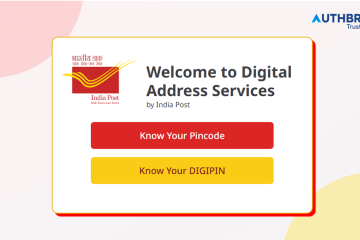
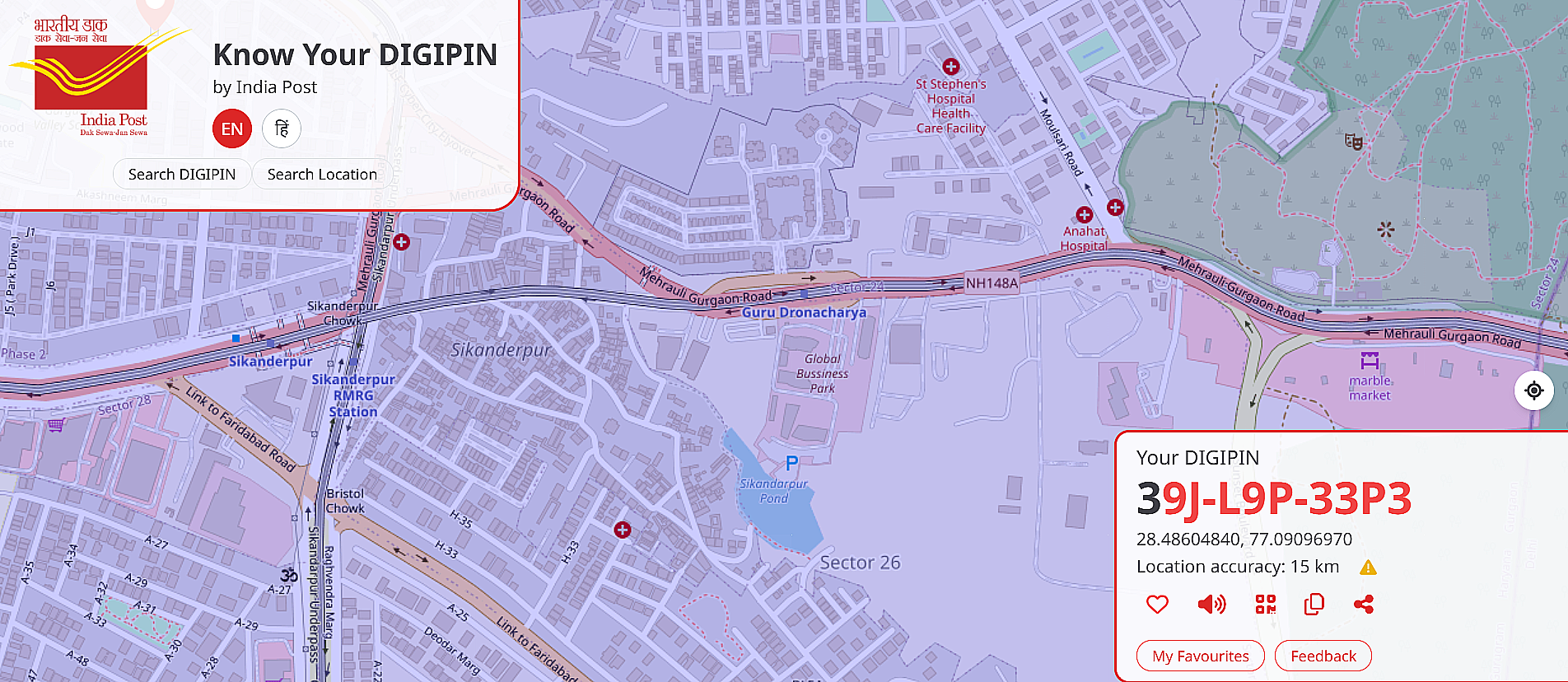
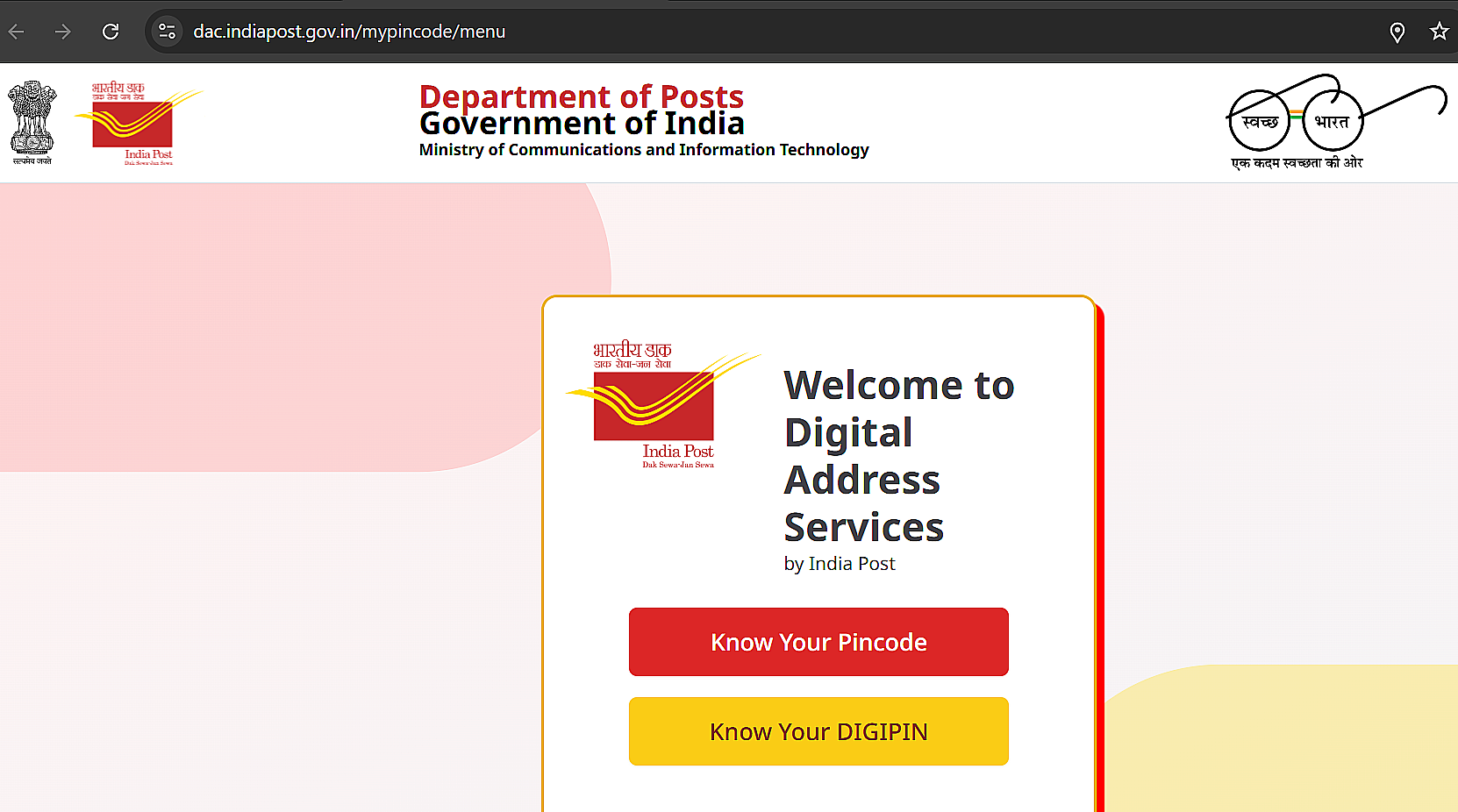
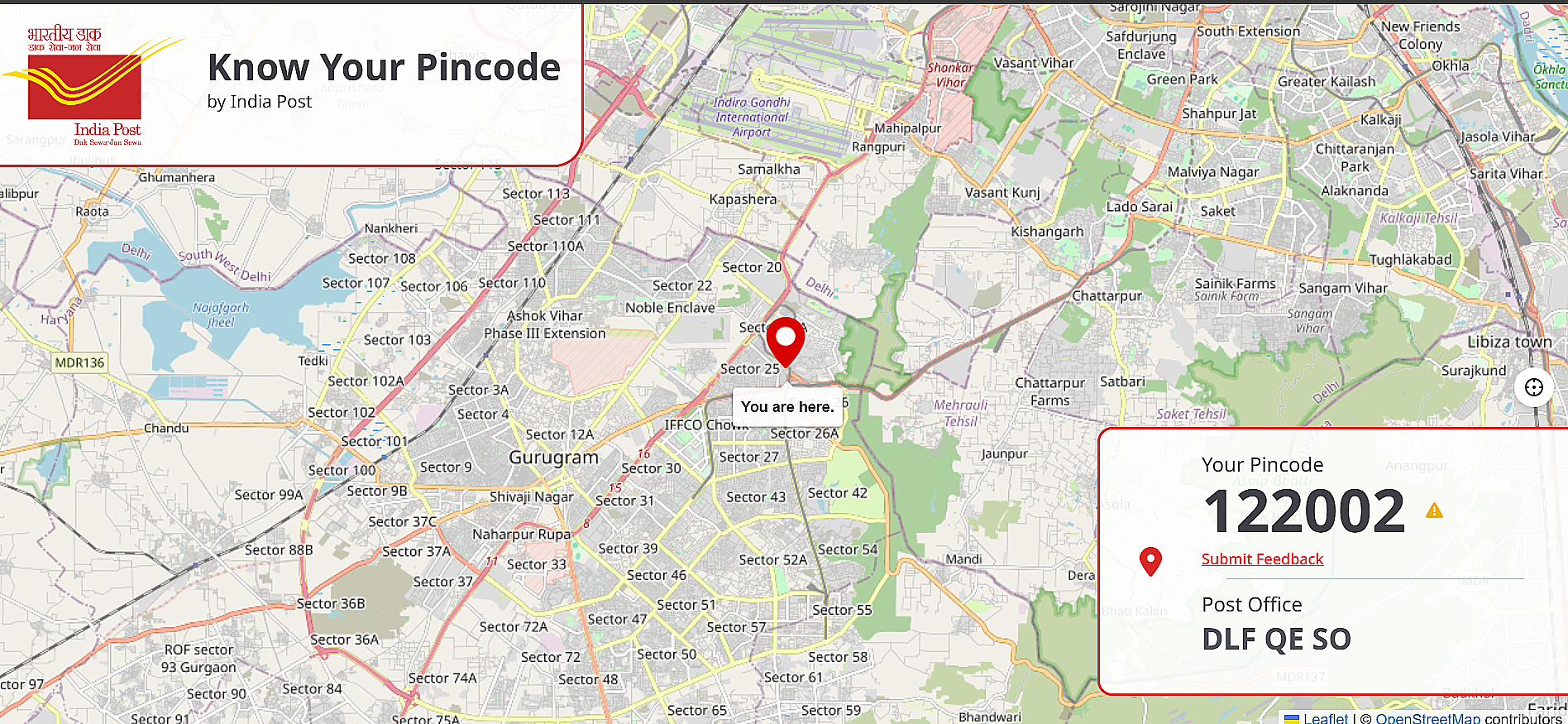
DIGIPIN (Digital Postal Identification Number) is a new system introduced by India Post to make addresses more accurate and standardised.
Instead of relying only on traditional PIN codes, DIGIPIN assigns a unique digital code to a specific location or household.
Why DIGIPIN Matters
In India, one PIN code can cover multiple areas. This often makes it difficult to identify the exact location.
DIGIPIN solves this by giving each location a unique identifier, improving address accuracy, and reducing confusion in densely populated areas.
Example: Two homes in the same locality may share the same PIN code. With DIGIPIN, each home can have its own unique code.
How DIGIPIN Works with Digital Address Verification
DIGIPIN does not replace digital address verification. Instead, it makes it stronger.
When used together with GPS location, address documents, and live verification checks, DIGIPIN helps create a more reliable and precise address match.
Why Digital and Physical Address Verification Both Still Co-Exist
While DAV solves many challenges, physical verification is still needed in some cases. Certain situations require a direct, on-ground check.
When Physical Verification Is Still Used
a. Regulatory Requirements
Some audits require a physical visit to confirm the address.
Example: A bank may need on-site verification for compliance checks.
b. High-Value Transactions
In cases like large loans or insurance underwriting, businesses may need extra assurance.
Example: A lender may verify a borrower’s residence before approving a high-value loan.
c. Proof of Physical Occupancy
Some scenarios require visual confirmation that the person actually lives at the address.
Example: Verifying a tenant’s presence during a property check.
d. Legacy Processes
Some organisations still follow older verification methods and have not fully shifted to digital systems.
Use Cases of Digital Address Verification in India
Digital address verification (DAV) is now used across multiple industries to improve accuracy, reduce fraud, and speed up onboarding.
Here’s how different sectors use it:
a. Banking & Financial Services (BFSI)
Banks, NBFCs, and fintech lenders use DAV to verify customer addresses during KYC and loan processing.
- Faster address verification for digital onboarding, without waiting for external mail or in-person checks
- Better fraud detection by validating a customer’s location stability
- Improved tracking of borrowers
- Reduced false positives
b. E-commerce & Logistics
Delivery companies rely on accurate addresses for successful deliveries. DAV helps:
- Improve first-time delivery success
- Reduce return-to-origin (RTO) losses
- Better route planning
c. Insurance
Insurance companies need correct address data for both onboarding and claims. DAV allows insurers to:
- Verify customer location before issuing policies
- Help assess claims accurately
- Prevent claim fraud
d. Telecom & SIM Activation
With the rise of digital SIM issuance and eKYC onboarding, telecom companies use DAV during customer onboarding to:
- Confirm user identity and location
- Support eKYC compliance
- Prevent SIM misuse
Compliance, Security and Data Protection in Address Verification
When businesses verify addresses, they also handle sensitive personal data. This makes compliance and data protection very important.
The DPDP Act and Its Impact on Address Verification
The Digital Personal Data Protection (DPDP) Act sets rules for how companies collect and use personal data, including address information.
For address verification, businesses must follow three key requirements:
a. Purpose Limitation
Address information may be collected only when genuinely necessary and for a clearly defined purpose.
This may include KYC checks, customer onboarding, and employee background verification checks.
Further, organisations must also clearly explain why the data is being collected.
b. Consent and Transparency
Before collecting address data, businesses must inform users:
- why the data is needed
- how it will be verified
- how long it will be stored
- whether it will be shared
Users must give clear consent before the process begins.
c. Rights of the Individual
Users have control over their data. They can:
- access their records
- correct incorrect address details
- request deletion once the purpose is completed
KYC, Banking And Regulatory Requirements
Sectors governed by the RBI, IRDAI, SEBI and DoT have additional layers of compliance when addressing verification. Digital address checks must align with:
a. RBI’s KYC Master Directions
- Banks and NBFCs must maintain updated customer address records.
- Any change of address must be reverified promptly.
- Digital checks must produce verifiable logs for regulatory audits.
b. IRDAI’s Customer Verification Rules
- Address proof is mandatory for policy issuance.
- Insurers must validate the location before underwriting high-risk proposals.
c. SEBI’s onboarding rules for brokerage accounts
- Accurate address data is needed for contract notes and record maintenance.
d. Telecom KYC guidelines
- Subscribers must be traceable to a confirmed residential location.
Security and Data Protection in Address Verification
Digital address verification involves sensitive personal data. Businesses must ensure that this data is secure and handled responsibly. The most widely adopted measures include:
a. Encryption Standards
All data must be protected during storage and transfer.
- End-to-end encryption for address data
- Secure data transfer (TLS)
- Encrypted storage for documents and images
b. Auditability
Businesses must maintain clear records of every verification.
This includes:
- when the verification happened
- how it was done
- what data was used
- the final result
These records are important for compliance and audits.
c. Data Minimisation and Retention
Data should only be stored for as long as needed.
| Data Type | Typical Retention Expectation | Purpose |
| Address text fields | Until onboarding completion | Identification |
| GPS coordinates | Short-term retention only | Match validation |
| Address proof documents | As per sectoral KYC norms | Regulatory compliance |
| Visual evidence | Limited retention unless needed for investigations | Risk review |
Risks of Weak Verification
If address verification is not done properly, it can lead to:
- onboarding of fake users
- regulatory penalties
- delivery failures
- financial losses
- damage to brand reputation
A secure and well-managed verification process helps avoid these risks.
Conclusion
Address verification has become essential for businesses in India. It helps confirm where a person actually lives, reduces fraud, and supports compliance with regulations.
With the shift to digital services, traditional methods are no longer enough. Digital address verification offers a faster, more accurate, and scalable solution.
For organisations, the next step is clear: adopt modern verification methods that combine speed, accuracy, and security.
Frequently Asked Questions (FAQs)
Address verification confirms whether a person actually lives at a given address.
It helps reduce fraud, ensures compliance, and improves delivery accuracy.
Verification checks if a person lives there, while validation checks if the address format is correct.
It uses GPS, documents, and device data to verify addresses without a physical visit.